Did You Know? 7 Little-Known Facts About Tulips
Posted on 23/08/2025
Did You Know? 7 Little-Known Facts About Tulips
The world of tulips is vibrant, captivating, and surprisingly complex! While many people admire these beautiful flowers as symbols of spring, few know the fascinating secrets that make tulips extraordinary. In this comprehensive article, we'll delve into 7 little-known facts about the beloved tulip. Whether you're a passionate gardener, a history enthusiast, or someone who simply loves flowers, you will find these interesting tulip facts both intriguing and informative.

1. Tulips Didn't Originate in the Netherlands
When most people think of tulips, the Netherlands immediately comes to mind. Surprisingly, the true origins of tulips lie far from the Dutch fields. So, where did these vivid blooms first appear?
- Native Regions: Tulips are believed to have originated in Central Asia, particularly in modern-day Kazakhstan, Iran, and the foothills of the Tien Shan mountains.
- Wild Beginnings: Wild tulips grew in rocky and mountainous areas, blooming in the harsh and unpredictable climates of Asia.
- Journey to Europe: It was Ottoman Empire gardeners who first domesticated tulips. The flower later traveled westward to Europe in the 16th century via trade and diplomatic gifts.
Did you know? The first official tulip bulbs in Western Europe were planted in the botanical gardens of Leiden, the Netherlands, in the late 1500s. This marked the beginning of tulip cultivation in Europe, which would later make the Netherlands world-famous for its tulips.
2. The World's First Economic Bubble: Tulip Mania
One of the most fascinating yet little-known facts about tulips is their role in financial history. In the 17th century, the Netherlands experienced "Tulip Mania," the first recorded speculative bubble in history. So, what happened during this tulip craze?
The Rise and Fall of Tulip Prices
- During the Dutch Golden Age, tulip bulbs became a highly coveted luxury item and status symbol.
- At the peak of Tulip Mania (1636-1637), rare tulip bulbs were traded for huge sums--sometimes the worth of a canal house in Amsterdam!
- When the market inevitably crashed, fortunes were lost overnight, but the tulip had firmly established its place in European culture.
Interesting Tulip Trivia: Some rare bulbs, like the legendary "Semper Augustus," could command prices equivalent to several years' salary for a skilled craftsman.
3. Tulips Come in Nearly Every Color--Except True Blue
With their dazzling hues, tulips are one of the most colorful flowers available. But did you know that there's one shade you won't find?
- Abundant Choices: You can find tulips in red, pink, white, yellow, purple, orange, green, and practically every shade in between.
- The Blue Exception: Genetic limitations mean there are no naturally true blue tulips. Breeders have come close with violet-leaning and lavender shades, but the elusive true blue remains impossible.
- Biological Barriers: Tulip petals lack the delphinidin gene, which produces the blue pigment found in some other flowers.
If you spot a tulip labeled "blue," look carefully--it's likely a deep violet or purple. Despite advances in breeding and genetic research, a truly blue tulip has yet to be achieved.
4. Tulips Symbolize More Than Just Love
You may have seen tulip bouquets exchanged between friends or lovers, but the tulip's meaning goes much deeper depending on the culture and color. Discover the hidden symbolism of tulips:
- Perfect Love: In Turkish and Persian literature, the tulip symbolizes perfect and everlasting love.
- Charity and Compassion: In the Victorian language of flowers, tulips represent charity and caring for others.
- Rebirth and Renewal: Because tulips bloom in early spring, they are also a universal symbol of renewal and new beginnings.
- Colour symbolism: Each tulip color carries a unique meaning:
- Red tulips: True love
- Yellow tulips: Cheerfulness and hope
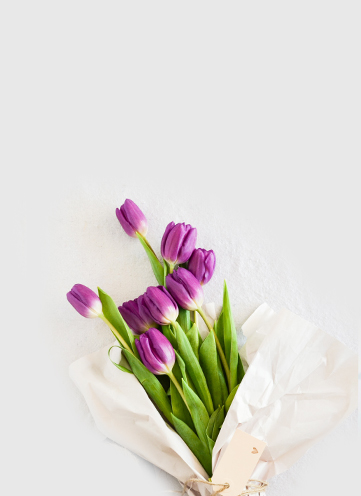
- Purple tulips: Royalty
- White tulips: Forgiveness and purity
- Pink tulips: Affection and happiness
Next time you gift tulips, consider the color's deeper meaning!
5. Some Tulip Varieties Are Edible--But Not All!
This may surprise you, but certain tulip petals are edible. In fact, tulips have even saved lives in desperate times.
- The petals of some tulip varieties are used as garnishes or in salads for their mild, slightly sweet flavor.
- During World War II's "Hunger Winter" in the Netherlands, people ate boiled tulip bulbs to survive the famine.
- Warning: While some parts are edible, not all tulips are safe to eat. Some types can cause stomach upset or allergic reactions.
Always research specific varieties and consult experts before consuming any part of a tulip. It's best to leave culinary uses to professionals--or simply enjoy tulips as beautiful flowers!
6. Wild Tulip Species Still Bloom in Central Asia
Most tulips we see today are the result of centuries of hybridization and cultivation, but wild tulip species still thrive in their ancient birthplace.
- Flourishing in Nature: Over 75 species of wild tulips can be found across Central Asia and parts of the Middle East.
- Unique Appearance: These wild tulips are often smaller, with pointed or star-shaped petals, and display a wide range of colors and patterns.
- Conservation Efforts: Some wild species are threatened by habitat loss and over-collection, making conservation crucial to their survival.
Plant specialists and travelers can still spot these ancient blooms during the spring in countries such as Uzbekistan, Kazakhstan, and Iran. These wild varieties offer a fascinating glimpse into the evolutionary history of the tulip.
7. Tulips Have Cultural and Artistic Influence Worldwide
The tulip's impact extends far beyond the garden. Throughout history, tulips have inspired art, literature, and cultural celebrations in many countries.
Art & Culture
- Ottoman sultans used the tulip as a decorative motif in palaces, textiles, and ceramics. The period from 1718 to 1730 in Turkey is even called the "Tulip Era."
- In the Netherlands, tulips feature in Dutch Golden Age paintings, often symbolizing beauty and transience.
- Modern festivals celebrate tulips wherever they are grown, from the famous Keukenhof Gardens in the Netherlands to festivals in Canada, the United States, and Asia.
The tulip's universal beauty has made it a beloved flower and an enduring symbol of spring and renewal around the globe.

Bonus Facts: Tulip Care and Growing Tips
If you're captivated by tulip flowers and wish to grow them yourself, here are a few essential tips:
- Planting Season: Plant tulip bulbs in the fall, six to eight weeks before your region's first hard frost.
- Soil: Opt for well-draining soil to prevent bulb rot.
- Sunlight: Tulips love full sun but tolerate partial shade.
- Watering: Water right after planting and during dry spells, but avoid oversaturating soil.
- After Care: Once blooming has finished, allow leaves to yellow and wither before cutting. This process stores energy for the next year's flowers.
Pro tip: Mix and match colors and varieties for a stunning tulip landscape in your garden!
Conclusion: Tulips--More Than Just a Pretty Flower
From their ancient Asian origins to their enormous impact on global trade, art, and culture, tulips are truly remarkable flowers. As we have discovered through these 7 little-known tulip facts, the story of the tulip is rich with history, intrigue, and symbolism.
- Tulips traveled vast distances before captivating Europe's gardens.
- They set off one of history's first economic bubbles.
- These flowers offer a rainbow of colors, with one mysterious hue still out of reach.
- Each bloom carries distinct meanings across different societies, beyond simple beauty.
- They have sustained people in dire times and inspired creativity for centuries.
Next time you admire a field of tulips or arrange a bouquet at home, remember the secret depths behind their cheerful petals.
Did you know? The world of tulips is always evolving, with new varieties developed each year and fresh discoveries awaiting just beneath the surface.
For more engaging articles about flower facts, gardening guides, or the history of tulips, stay tuned and share your own tulip tales below!
Latest Posts
Benefits of Native Wildflowers in [AREA] Landscaping Projects
Did You Know? 7 Little-Known Facts About Tulips
What Your Birth Flower Reveals About Your Personality